Natural Ways to Support Bladder Control: What Actually Has Evidence
The supplement aisle for bladder and prostate health is crowded, and most marketing sounds the same regardless of what is inside the capsule.
What actually moves the needle first
Before any ingredient, the interventions with the strongest evidence for bladder control are behavioral, not nutritional:
- Pelvic floor muscle training — the best-supported approach for stress incontinence in both sexes
- Weight management — one of the most consistent findings across incontinence research
- Bladder training (scheduled voiding) — for urgency and frequency
- Limiting bladder irritants — caffeine and alcohol measurably worsen urgency for many people
Supplements, at best, support this foundation. None of what follows replaces it.
For bladder control (women and men)
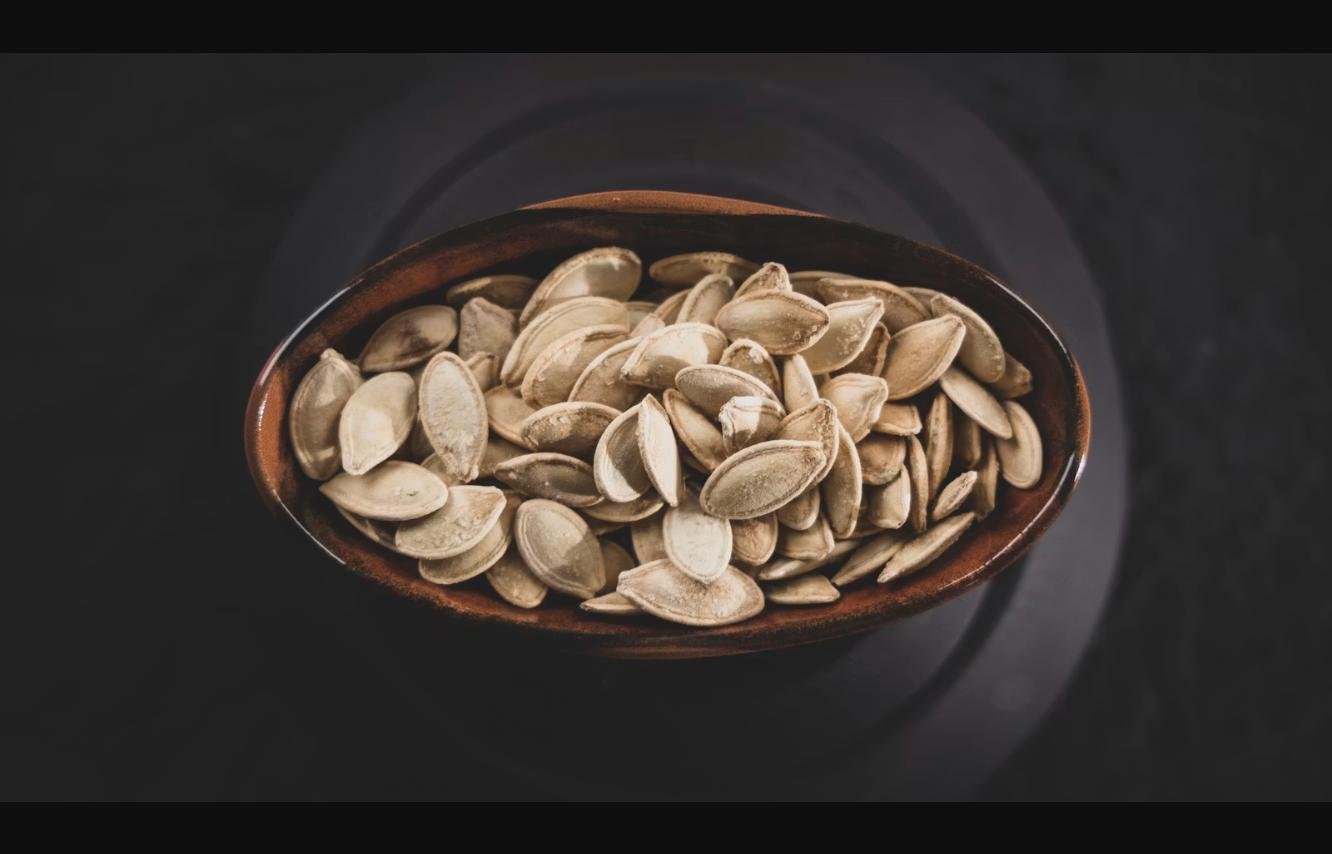
Pumpkin seed extract — genuine trial support. A randomized, placebo-controlled trial of pumpkin seed and soy germ extract showed improvement in overactive bladder symptoms. Supported
Boswellia — a specific real trial for stress incontinence, combined with pelvic floor training. Supported
Vitamin D — linked to incontinence severity specifically in women with low levels; the benefit is correcting a deficiency, not loading up regardless of baseline. Supported
Saw palmetto alone
No meaningful benefit over placebo in the largest current evidence — a 2023 Cochrane review of 27 trials.
Pelvic floor training + ingredients like Boswellia, vitamin D, or beta-sitosterol
Tested in randomized controlled trials, with measurable symptom improvement.
“Boswellia combined with pelvic floor training improved stress urinary incontinence symptoms” in a randomized controlled trial.
Rangaswamy PA, et al. Complementary Therapies in Clinical Practice, 2014. View source
If you are looking for a product built around ingredients with that kind of evidence behind them, we reviewed one option in detail: NewEra Protect, which combines Boswellia and vitamin D3 alongside five other ingredients. Our review breaks down which parts of its formula hold up against the research above, and which do not.
For prostate-related urinary symptoms (BPH)
Beta-sitosterol — among the better-supported options; improved urine flow and reduced residual urine in placebo-controlled research. Supported
Pygeum africanum — moderate evidence, particularly for nighttime urination.
Saw palmetto — the most-purchased prostate supplement in the U.S., but a 2023 Cochrane review of 27 trials found no meaningful benefit over placebo. Not Supported
The highest-quality current evidence does not support saw palmetto, despite it being one of the best-selling prostate supplements.
Pumpkin seed oil — outperformed saw palmetto in a head-to-head trial. Supported
Stinging nettle root — preliminary evidence, often studied combined with saw palmetto.
If you are looking for a product built around Pygeum specifically, we reviewed one option in detail: Prosta Peak. Our review breaks down which parts of its formula hold up against the research above, and which do not.
Ingredients that show up in marketing but lack direct evidence
- “Kidney detox” framing generally — no trial shows supporting kidney filtration reverses bladder leakage. See our kidney and bladder health article.
- Horsetail extract for bladder benefit specifically — research exists on urinary protein secretion, not incontinence outcomes.
- Zinc for pelvic floor strength — research base is in kidney/general health, not muscle-specific outcomes.
- Bovine prostate glandular supplements — no clinical evidence despite ongoing marketing presence.
Frequently asked questions
What supplement has the strongest evidence for bladder leakage?
Does saw palmetto actually work for prostate symptoms?
Can supplements replace pelvic floor exercises or medication?
Is it better to take a supplement blend or a single ingredient?
How do you actually do a Kegel exercise correctly?
How long until Kegel exercises show results?
The bottom line
A handful of ingredients — pumpkin seed, Boswellia, beta-sitosterol, pygeum, and vitamin D for those with a deficiency — have genuine, specific clinical trial support. Several widely marketed ingredients, saw palmetto being the clearest example, have more marketing presence than current evidence.
This article is for informational purposes and isn’t a substitute for medical advice. Talk to a healthcare provider before starting any supplement, especially if you take other medications.
Sources
- “A Randomized Double-Blind Placebo-Controlled Clinical Trial of a Product Containing Pumpkin Seed Extract and Soy Germ Extract…” ScienceDirect, 2014.
- Rangaswamy PA, et al. “Efficacy of Boswellia serrata and Cyperus scariosus plus pelvic floor muscle training in stress incontinence.” Complementary Therapies in Clinical Practice, 2014.
- Rad P, et al. “The effect of vitamin D on vaginal atrophy in postmenopausal women.” Iran J Nurs Midwifery Res, 2015.
- Shahraki SK, et al. “Effect of vitamin D supplementation on stress urinary incontinence severity.” BMC Women’s Health, 2022.
- Cochrane Database of Systematic Reviews. Franco JVA, et al. Serenoa repens for the treatment of lower urinary tract symptoms due to benign prostatic enlargement, 2023 update.
- Georgia Urology. “The Research Behind Common OTC Supplements for BPH.”
- Medscape. “Urinary Symptoms in Men: Do Herbs Like Saw Palmetto Help?”